
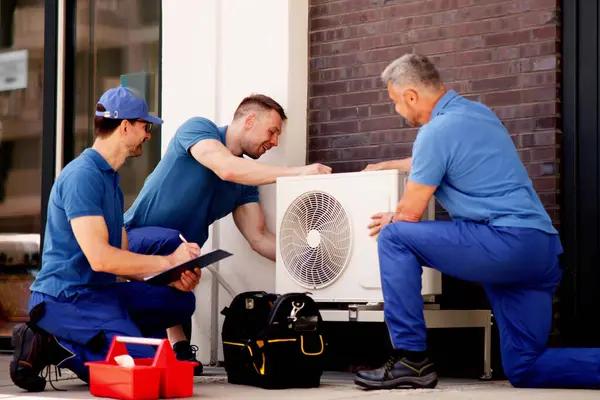
As the colder months approach, ensuring your HVAC system is ready for winter becomes a priority. Properly preparing your heating, ventilation, and air conditioning (HVAC) system not only enhances its efficiency but can also extend its lifespan and reduce energy bills. Here’s how you can tuck your HVAC system in for optimal winter performance.
First, consider scheduling a professional inspection. A certified technician can identify potential issues that might hinder your HVAC system’s performance during the winter months. They will check components such as heat exchangers, burners, and electrical connections to ensure everything is functioning correctly. Regular maintenance helps prevent unexpected breakdowns when you need your heating most.
Next, replace or clean air filters regularly. During the winter months, when systems are used more frequently, filters tend to accumulate dust and debris faster than usual. Clogged filters force the system to work harder than necessary, reducing efficiency and increasing energy consumption. By keeping filters clean or replacing them every one to three months depending on usage and filter type, you maintain good airflow which is crucial for efficient operation.
Sealing leaks in ductwork is another important step towards maximizing efficiency. Leaky ducts can lead to significant heat loss—up to 30% of heated air may escape through holes or poorly connected sections before learn all about it reaches living spaces. Inspect accessible ductwork for visible signs of wear or damage and use mastic sealant or metal tape—not standard duct tape—to seal any leaks found.
Thermostat settings play a critical role in managing energy use during wintertime as well. Consider installing a programmable thermostat if you haven’t already; this allows you to set temperatures according to your schedule automatically so that you’re not wasting energy heating an empty home while still ensuring comfort upon return.
Insulating exposed pipes adds another layer of protection against cold weather inefficiencies by preventing heat loss from hot water lines running through unconditioned spaces like basements or attics where ambient temperatures drop significantly lower than desired indoor levels.
Finally, don’t overlook simple yet effective strategies such as reversing ceiling fan directions clockwise at low speeds; this pushes warm air downwards into living areas instead of letting it stagnate near ceilings where it’s less beneficial.
By taking these steps now before extreme weather sets in fully ensures that you’ll enjoy consistent warmth throughout colder days ahead without unnecessary strain on either equipment itself nor household finances due increased utility costs stemming inefficient operations resulting lack preparation beforehand tackling seasonal challenges head-on effectively proactively safeguarding both comfort resources alike long-term basis overall improved outcomes all around ultimately benefiting everyone involved process along way sure enough indeed!