
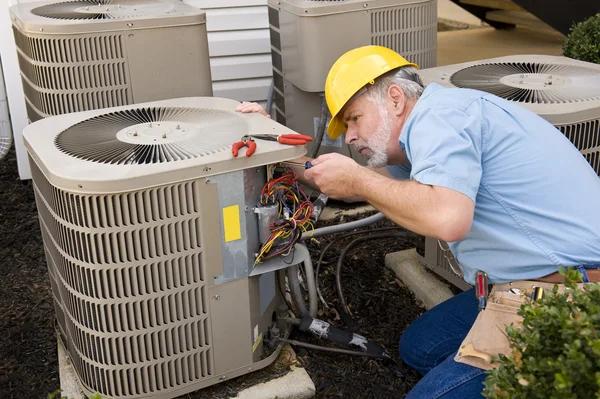
During extreme weather conditions, HVAC systems are often pushed to their limits, leading to an increased likelihood of breakdowns and the need for emergency repairs. HVAC companies play a crucial role in ensuring that homes and businesses maintain a comfortable environment despite adverse weather conditions. Understanding how these companies handle emergency repairs during such times can help homeowners and business operators better prepare for potential issues.
Firstly, it is important to recognize that HVAC companies prioritize emergencies based on severity and vulnerability. For instance, situations where there is a risk of health hazards or where vulnerable populations like the elderly or young children are affected receive immediate attention. This triage approach ensures that resources are allocated efficiently during peak demand periods.
Communication is key in managing expectations during emergencies. Reputable HVAC companies maintain open lines of communication with their clients, offering updates on estimated arrival times and any delays due to extreme weather conditions affecting travel or road accessibility. Many companies have adopted technology solutions such as mobile apps or automated messaging systems to keep clients informed in real-time.
To handle the surge in demand for emergency services, many HVAC firms increase their workforce temporarily by hiring additional technicians or extending working hours for view full article existing staff. These measures ensure that more service calls can be attended to within a shorter timeframe, minimizing discomfort for customers experiencing heating or cooling failures.
Preventive maintenance plays a significant role in reducing the frequency of emergency repairs needed during extreme weather events. Many HVAC companies offer maintenance plans that include regular inspections and servicing of equipment before peak seasons begin—typically summer for air conditioning systems and winter for heating systems. By identifying potential issues early on, these preventive measures can significantly reduce the chances of unexpected breakdowns when systems are under maximum stress.
In addition to technical expertise, safety remains a top priority for HVAC professionals working under challenging conditions such as heavy snowfall or severe storms. Technicians are trained to assess risks before commencing any repair work and use appropriate personal protective equipment (PPE) to safeguard themselves against hazardous environments.
Moreover, reliable HVAC companies come prepared with well-stocked service vehicles containing essential tools and spare parts necessary for common repairs. This preparedness allows technicians to complete most jobs on-site without needing multiple trips back to their base—a critical factor when time is of the essence during emergencies.
Finally, customer education is an integral part of handling emergencies effectively. Companies often provide guidance on simple troubleshooting steps clients can take before professional help arrives—such as checking circuit breakers or thermostat settings—which may resolve minor issues without requiring immediate technician intervention.
Overall, through prioritization strategies, enhanced communication channels, proactive staffing adjustments, preventive maintenance programs, safety protocols adherence—and empowering customers with knowledge—HVAC companies adeptly manage emergency repairs amidst extreme weather challenges.