
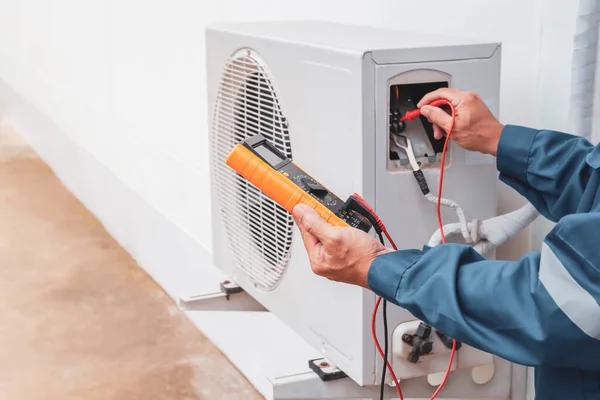
Short cycling in HVAC systems is a phenomenon where the system turns on and off more frequently than it should. This frequent cycling can lead to accelerated wear and tear, reducing the lifespan of the equipment and increasing maintenance costs. Understanding why short cycling occurs and its impact on HVAC systems is crucial for homeowners and facility managers aiming to maintain efficient operation.
One primary cause of short cycling is an improperly sized HVAC unit. If a unit is too large for the space it serves, it will quickly reach the desired temperature, causing it to shut off prematurely. Conversely, if a unit is too small, it will struggle to meet demand, leading to constant operation without effectively maintaining comfort levels. Both scenarios result in excessive turning on and off of the system.
Thermostat issues can also contribute significantly to short cycling. A malfunctioning thermostat may incorrectly read room temperatures or fail to communicate properly with the HVAC system, prompting unnecessary cycles. Similarly, poor placement of thermostats—such as near drafts or direct sunlight—can give false readings that lead to frequent cycling.
Another contributing factor could be refrigerant leaks in air conditioning units or heat pumps. When refrigerant levels are low due to leaks, pressure within the system drops below optimal levels. this website causes compressors to work harder than necessary or shut down prematurely as safety measures kick in when detecting abnormal pressures.
Clogged air filters are often overlooked but play a significant role in short cycling.