
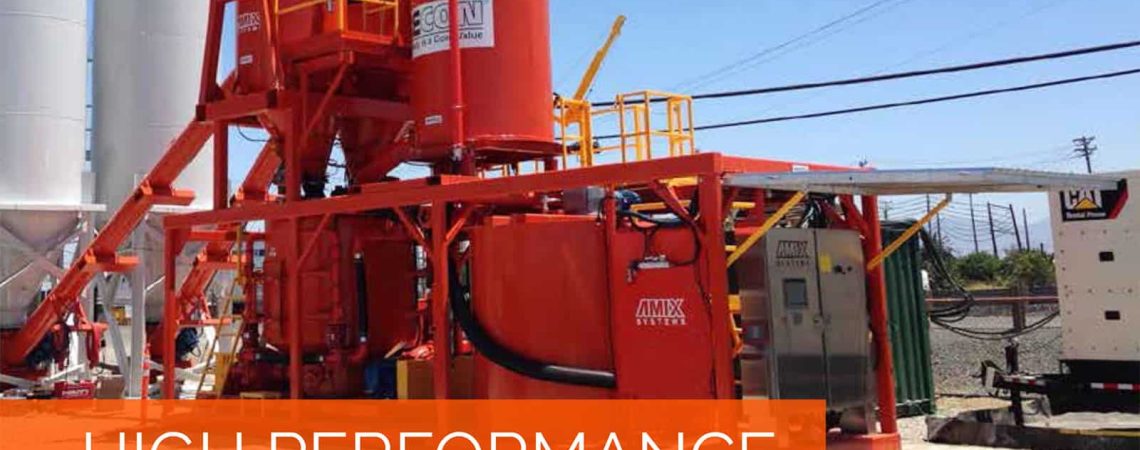
Concrete agitators play a crucial role in the construction industry by ensuring that concrete remains uniformly mixed and workable from the time it leaves the batching plant until it is poured at the construction site. Proper mixing and agitation prevent premature setting, segregation of materials, and ensure consistent quality of concrete, which is vital for structural integrity.
A concrete agitator is essentially a rotating drum mounted on a truck or trailer designed to keep freshly mixed concrete in constant motion. This continuous rotation prevents the heavier components like gravel and sand from settling at the bottom while water rises to the top. By maintaining homogeneity, agitators help preserve workability and strength characteristics required for various construction applications.
When selecting a concrete agitator for specific projects, several factors must be considered. The capacity of the drum should align with project requirements; typical sizes range from 3 cubic meters to over 10 cubic meters. Larger capacities are suitable for extensive projects such as highways or large buildings, whereas smaller volumes may suffice for residential or small-scale works. Additionally, understanding transportation logistics is essential since larger mixers require appropriate vehicles capable of handling their weight safely.
The speed of rotation is another critical aspect influencing effective mixing. Most standard mixers operate between 2 to 6 rotations per minute during transport to avoid segregation but increase speed during active mixing periods on-site. Operators must be trained to adjust speeds accordingly based on material consistency and environmental conditions such as temperature.
Maintenance of concrete agitators ensures longevity and optimal performance. Regular cleaning after each use prevents hardened concrete buildup inside drums which can reduce volume capacity and affect mixing efficiency. Lubrication of moving parts minimizes mechanical wear while routine inspections detect potential issues early before breakdowns occur.
In addition to traditional truck-mounted mixers, stationary or portable agitators are often used within batching plants or remote sites where immediate placement isn’t feasible. These units provide flexibility in managing batch sizes precisely tailored to project demands.
Environmental considerations also influence modern mixer design choices; newer models incorporate fuel-efficient engines reducing emissions without compromising power output necessary for heavy-duty operation.
In conclusion, understanding how concrete agitators function and their operational parameters significantly impacts construction quality outcomes. Selecting appropriate equipment size, controlling rotational speeds diligently, performing regular maintenance routines along with considering environmental impact contributes towards efficient handling of fresh concrete mixtures across diverse building scenarios. Mastery over these elements ensures structural durability alongside economic benefits through minimized material wastage and labor costs during mixing operations.