
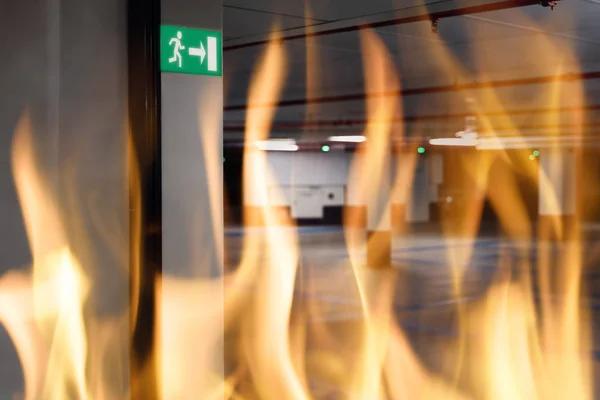
Fire partitioning is a critical aspect of safety design in commercial buildings, serving as an essential measure to control the spread of fire and protect both occupants and property. This practice involves the strategic installation of fire-resistant barriers within a building to compartmentalize spaces. Such partitions help contain fire and smoke, allowing more time for evacuation and reducing the risk of extensive damage. Understanding the importance of fire partitioning is vital for building owners, architects, and safety professionals who aim to comply with safety regulations and prioritize occupant welfare.
One of the primary reasons fire partitioning holds such significance in commercial buildings is its role in life safety. By dividing large spaces into smaller compartments, fire partitions restrict the rapid movement of flames and smoke. This containment buys crucial minutes for building occupants to evacuate safely and for emergency responders to arrive and control the fire. In high-occupancy buildings such as offices, shopping centers, and hotels, these extra moments can mean the difference between life and death.
Beyond protecting human life, fire partitioning also serves to minimize property damage. Fires can cause extensive destruction if they spread unchecked across large areas. Fire-resistant walls, floors, and ceilings act as barriers that slow down the fire’s progression, fire partitioning for commercial buildings limiting damage to specific zones. This containment not only helps preserve the building’s structural integrity but also protects valuable equipment, documents, and inventory within commercial premises. Consequently, businesses may face less downtime and reduced financial losses following a fire incident.
Fire partitioning is also a fundamental component of building codes and fire safety regulations worldwide. These codes mandate specific fire-resistance ratings for partitions depending on the building type, size, and occupancy. Compliance with these regulations is not only a legal obligation but also a proactive approach to risk management. Fire partitions are often integrated with other safety systems such as fire alarms, sprinklers, and smoke control measures, creating a comprehensive fire protection strategy.
Moreover, the design and installation of fire partitions require technical expertise to ensure effectiveness. Materials used in fire partitions must meet stringent fire-resistance standards, often involving gypsum boards, concrete blocks, or special fire-rated glass. Proper sealing of joints and penetrations is essential to prevent smoke leakage. Regular inspection and maintenance are also crucial to maintain the integrity of the partitions over time.
In summary, fire partitioning is indispensable for safeguarding commercial buildings against the devastating impacts of fire. It enhances life safety by providing safe evacuation routes, limits property damage by containing fires, and ensures compliance with safety regulations. Investing in quality fire partitioning solutions and adhering to expert guidelines supports a safer environment for occupants and reduces potential financial risks for businesses. With the ever-present risk of fire hazards, fire partitioning remains a key pillar in effective fire safety management within commercial spaces.