
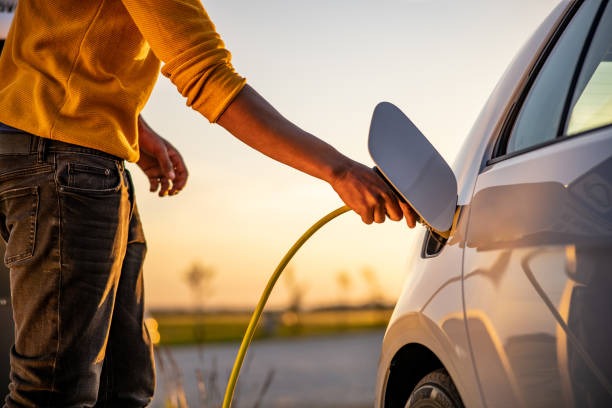
The concept of sustainable living has gained significant traction in recent years, driven by the urgent need to address climate change and reduce our carbon footprint. One of the most promising developments in this realm is the integration of electric vehicles (EVs) with solar-powered homes. This synergy not only promises a reduction in greenhouse gas emissions but also offers economic benefits and energy independence for homeowners.
Electric vehicles have emerged as a viable alternative to traditional gasoline-powered cars, offering numerous environmental advantages. They produce zero tailpipe emissions, significantly reducing air pollution and helping mitigate global warming. However, the sustainability credentials of EVs can be further enhanced when they are charged using renewable energy sources like solar power.
Integrating solar panels into residential settings allows homeowners to generate their own electricity, tapping into an abundant and renewable visit the source of energy. Solar power systems convert sunlight into electricity through photovoltaic cells, providing a clean and sustainable way to meet household energy needs. When combined with battery storage solutions, these systems can store excess energy generated during sunny periods for use at night or on cloudy days.
The convergence of solar power with electric vehicle technology creates a harmonious ecosystem where both components complement each other effectively. Using solar-generated electricity to charge EVs reduces reliance on fossil fuels and minimizes overall carbon emissions associated with transportation. Furthermore, it provides homeowners with greater control over their energy usage while potentially lowering utility bills.
Economically speaking, investing in solar panels and electric vehicles can yield significant savings over time. While the initial cost may seem substantial, government incentives such as tax credits or rebates often help offset these expenses. Additionally, reduced fuel costs from driving an EV compared to gasoline vehicles contribute further savings in the long run.
Beyond financial considerations lies another crucial aspect: resilience against grid disruptions or price fluctuations in conventional energy markets.