
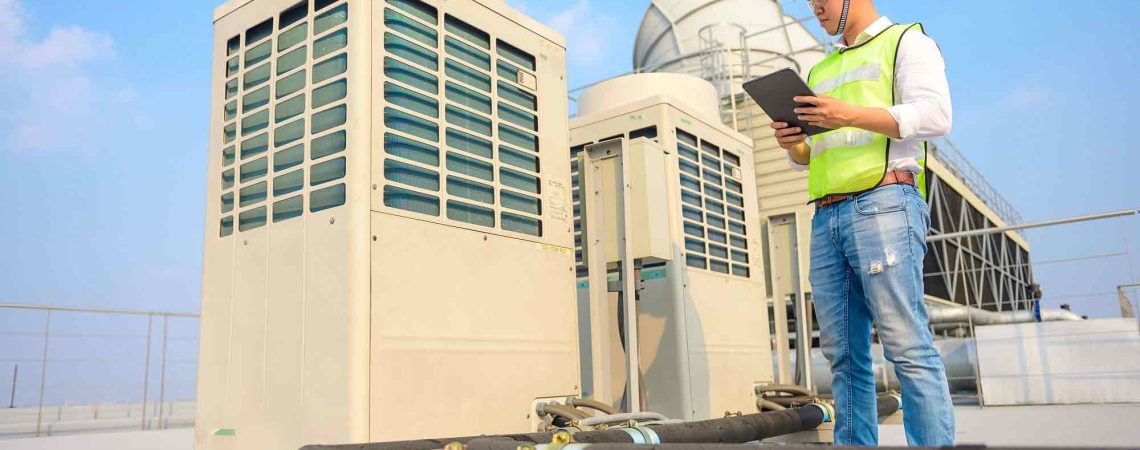
When HVAC contractors measure temperature rise or drop, they rely on a variety of specialized tools to ensure accurate readings and proper system performance. Temperature rise refers to the difference in air temperature between the supply and return sides of a heating system, while temperature drop often applies to cooling systems or specific components. Accurate measurement is crucial for diagnosing issues, verifying system efficiency, and ensuring occupant comfort.
One of the primary tools used is the digital thermometer. These devices provide precise temperature readings quickly and are preferred over traditional mercury thermometers due to their ease of use and safety features. Digital thermometers often come with probes that can be inserted into ductwork or placed on surfaces where temperature needs to be measured. Some models offer data logging capabilities, allowing technicians to record temperatures over time for more detailed analysis.
Thermocouples are another common instrument employed by HVAC professionals. These sensors work based on voltage changes generated by different metals at varying temperatures. Thermocouples are highly accurate and responsive, making them suitable for measuring rapid fluctuations in temperature within heating or cooling systems. They typically connect to handheld meters that display real-time data, which helps contractors identify whether a unit is operating within see additional resources manufacturer specifications.
Infrared thermometers have become increasingly popular among HVAC contractors as well. These non-contact devices measure surface temperatures from a distance using infrared technology. Infrared thermometers enable quick scanning of multiple points without disturbing airflow or equipment operation. This feature is especially useful when assessing duct surfaces or heat exchangers where direct contact might be impractical or unsafe.
In addition to these instruments, HVAC technicians frequently use psychrometers when dealing with air conditioning systems because understanding humidity alongside temperature provides a complete picture of system performance. Psychrometers measure wet-bulb and dry-bulb temperatures simultaneously, helping calculate relative humidity levels essential for diagnosing cooling efficiency.
To complement these measurement tools, contractors also utilize flow hoods or anemometers when checking airflow rates through ducts since correct airflow directly impacts temperature rise/drop calculations’ accuracy. Without proper airflow measurements, even precise temperature data may not yield reliable conclusions about system health.
Overall, the combination of digital thermometers, thermocouples, infrared devices, psychrometers, and airflow measurement tools equips HVAC professionals with comprehensive means to evaluate heating and cooling systems effectively. Using these instruments correctly ensures that any deviations from expected performance can be identified promptly so necessary adjustments or repairs maintain optimal indoor climate conditions efficiently and reliably throughout the year.