
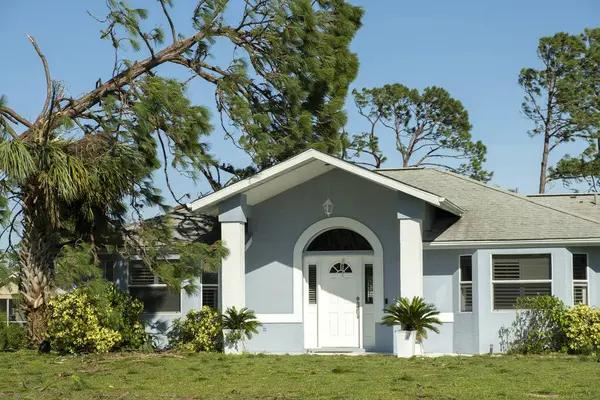
When a tree falls on your roof, it can be a shocking and stressful experience. The first step is to ensure the safety of everyone in the house. Check for any injuries and evacuate if there is significant structural damage or if you smell gas. Avoid going near the damaged area until you are certain it is safe. After confirming that all occupants are safe, contact emergency services if power lines are involved or if there is an immediate hazard such as fire or severe instability.
Once safety concerns have been addressed, notify your insurance company as soon as possible to report the incident. Most homeowners’ policies cover tree damage caused by storms or accidents, but prompt notification helps streamline claims processing. Documenting the damage thoroughly with photographs and notes will support your claim and provide evidence for contractors who may assess repairs.
Next, arrange for a professional inspection of both the roof and structural elements beneath it. A qualified roofer or structural engineer can evaluate how extensive the damage is and whether temporary supports are necessary to prevent further collapse. It’s important not to attempt heavy lifting or removal of large branches yourself unless you have proper training and equipment because this could worsen damage or cause injury.
If power lines are entangled in the fallen tree, do not attempt any removal work yourself; instead, wait for utility companies to handle those hazards safely before proceeding with cleanup efforts. Once cleared by professionals, remove debris carefully without causing additional harm to roofing materials.
Repairing a tree on roof fall often involves multiple steps depending on severity: removing broken shingles or tiles, replacing damaged sections of plywood decking underneath, fixing insulation if compromised, then restoring waterproof layers before installing new roofing material matching existing style. Hiring licensed roofing contractors ensures repairs meet local building codes and maintain home integrity over time.
In some cases where major structural components like beams or trusses have been affected, more extensive reconstruction might be required under expert supervision. Temporary tarping may protect exposed areas during repair planning stages but should only be done by someone experienced enough to avoid worsening leaks.
Throughout this process maintaining communication with your insurance adjuster keeps expectations aligned regarding coverage limits and timelines for reimbursement so financial surprises don’t add stress during recovery from this unexpected event.
By prioritizing safety first then methodically addressing assessment, cleanup, repair planning, and execution through professionals you can restore your home effectively while minimizing risks associated with tree-related roof damage.