
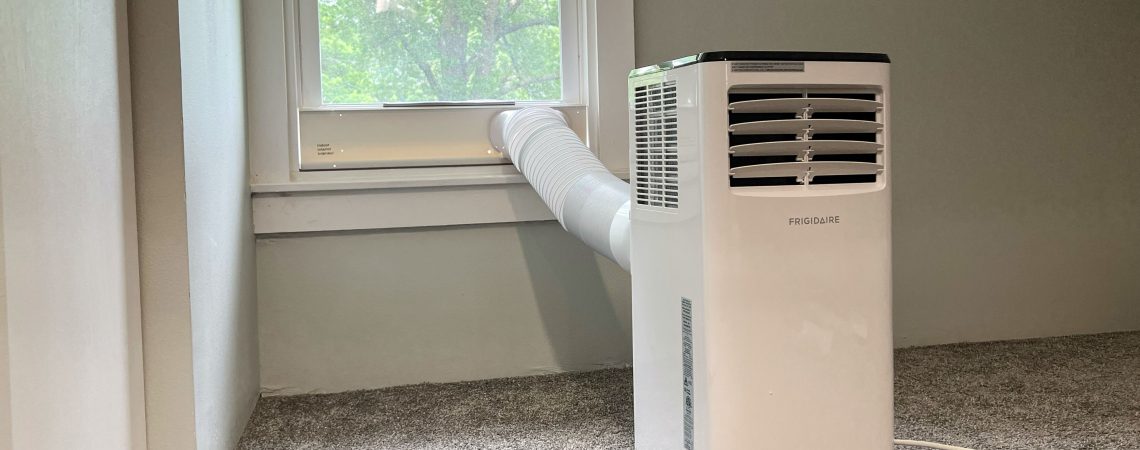
Energy efficient air conditioners have become increasingly popular as consumers seek ways to reduce their electricity bills while maintaining comfortable indoor temperatures. These appliances are designed to use less energy compared to traditional models, which directly translates into cost savings over time. The key to their efficiency lies in advanced technology that optimizes cooling performance without excessive power consumption. Modern units often feature variable speed compressors, smart thermostats, and improved refrigerants that contribute to lower energy usage.
One important factor when choosing an energy efficient air conditioner is the Seasonal Energy Efficiency Ratio (SEER) rating. This number indicates how much cooling a unit provides for each unit of electricity consumed. Higher SEER ratings mean better efficiency and reduced operating costs. For example, an air conditioner with a SEER rating of 16 will consume significantly less power than one rated at 10 or 12. It is advisable for buyers to look for products with ENERGY STAR certification, which ensures compliance with strict energy-saving standards set by regulatory bodies.
Inverter technology has revolutionized the way air conditioners function by allowing compressors to adjust their speed according to cooling demand rather than running at full capacity continuously. This results in more precise temperature control and minimizes click now energy wastage during periods of low load. Additionally, inverter systems tend to operate more quietly and have longer lifespans due to reduced wear on components.
Proper installation also plays a crucial role in maximizing the benefits of an energy efficient air conditioner. Poorly installed units can lead to leaks, improper airflow, and inefficient operation that negates potential savings. Ensuring correct sizing based on room dimensions prevents overspending on unnecessarily large systems or underperformance from undersized ones.
Routine maintenance such as cleaning filters and checking refrigerant levels further enhances efficiency by allowing the system to work without obstruction or strain. Smart features like programmable timers enable users to schedule operating times so the AC runs only when needed, avoiding unnecessary electricity consumption during unoccupied hours.
Investing in an energy efficient air conditioner not only reduces monthly utility expenses but also contributes positively toward environmental conservation by lowering greenhouse gas emissions associated with electricity generation. As technology continues evolving, these devices become more accessible and affordable for homeowners seeking sustainable comfort solutions without compromising performance or convenience.
Choosing the right model involves balancing upfront costs against long-term savings while considering factors such as climate conditions and usage patterns. Ultimately, selecting an energy efficient air conditioning system represents a practical step toward managing household expenses effectively while promoting responsible resource use in everyday life.